

Super Intelligence Engineer
Ryan X. Charles
I solve complex problems with super intelligent agent swarms.

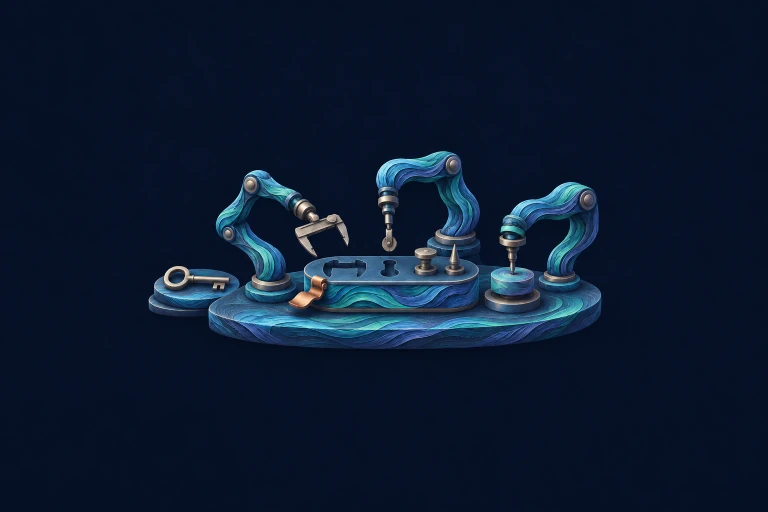


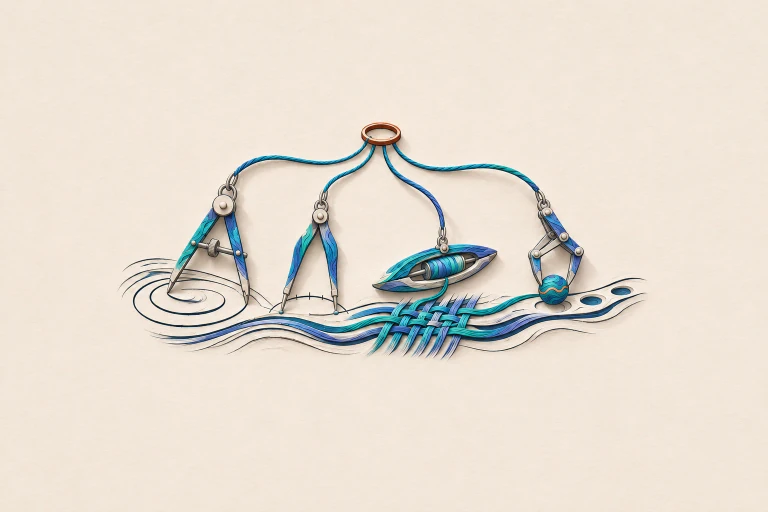
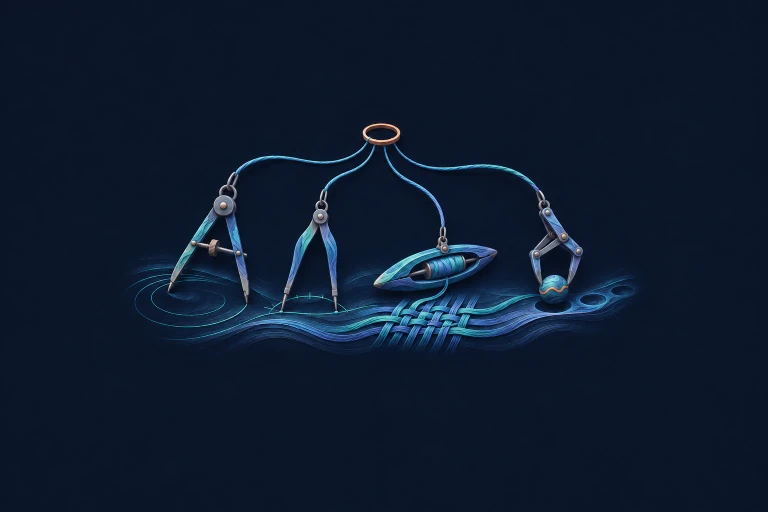
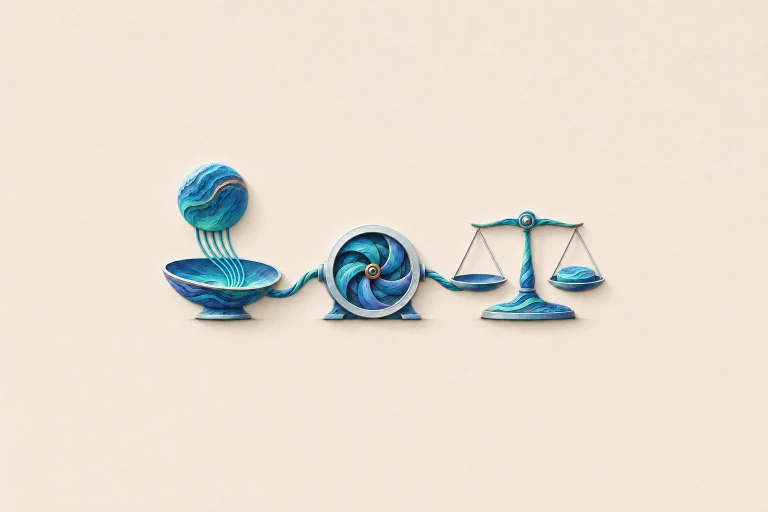
The Conductor’s Ring
Engraved enamel, steel and cord · 2026
This is how I build now. One ring at the center holds six instruments, each by its own thread, and each does different work: they carve, turn, cut and stack, and they come from different makers. The single copper pin on the ring is the human part, the point of intent that tells all six what to make.


Blog
Field notes on building with super intelligence
Delegate Everything You Can to AI Agents
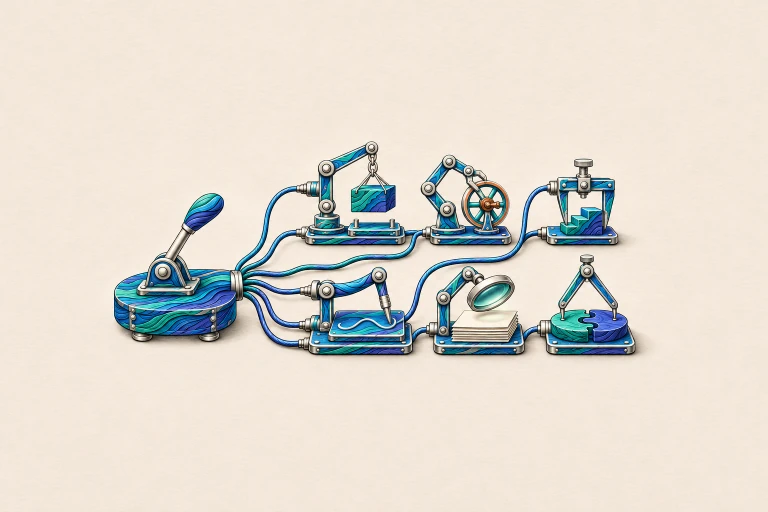
Every task you do yourself that an AI agent could do is a choice to fall behind, and in the past year that list grew to include writing code, operating a computer and even research.


Own Your Memory: Sovereignty for the AI-Run Company
When AI agents do all the work, a company is its memory, and that memory must live in a repository you control so that no AI provider's ban, price change or policy change can ever take your business away.

Chat Systems for AI Agents: The State of the Art
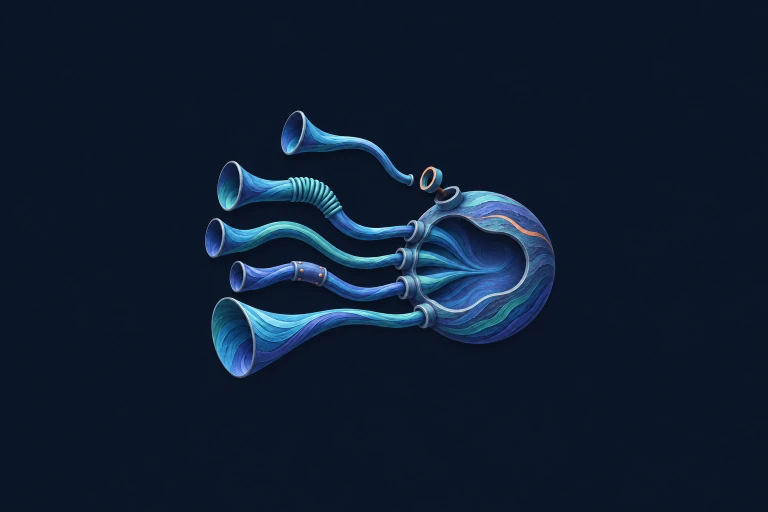
Agents can now hand each other tasks through open protocols, run group chats inside frameworks, and sit in Slack beside people. A new kind of workspace puts agents from different vendors in the same channels as people. Here is what exists as of November 2026, how the options differ, and what none of them does yet.
Everybody Is a Director of AI Now
Every human on the planet needs to retrain to be AI-first: stop doing the labor and direct a team of SI agents to do it. Not just programmers. Nurses, lawyers, teachers, tradespeople and founders too. Here is what that means and how to start this week.

I Don't Write Code Any More - I Manage AI Agent Swarms
I stopped typing code more than a year ago. My job now is to manage swarms of SI agents. Here is what that job is, day to day: what I do, what I decide, what I never touch, which old management skills still work, and how to make the switch yourself.


Building Multi-Harness Multi-Agent Swarms
My projects are now built by swarms of SI agents that run in Codex, Grok and Claude Code at once. They share one workflow made of Nushell tools, AGENTS.md files, skills and Git. Here is how it works, what it shipped in three and a half days, and where it still breaks.


Money Won't Survive Super Intelligence
Energy is money is tokens: three names for one thing. As SI agents turn joules straight into solutions, the middle term gets thin. Money as wages and invoices won't survive super intelligence. Money as memory will.

The Software is Alive!
When a team of SI agents builds and maintains an app, the app starts to behave like a living thing. It senses, repairs itself and adapts to attacks, markets and the news, within bounds that humans set. Here is what that means, what works today, and where the bounds go.
The Future of Money Is Energy
Every token an SI agent spends is paid for in joules. As intelligence gets cheaper, energy becomes the one input left, and the sun makes it the frontier resource. Money will not become energy, but energy is becoming what money measures.

Follow
Watch the factory get faster.
I publish the numbers as my SI agents improve, including the ones that fall short. Get each post by feed or email.